Choosing the right loaf shouldn’t feel overwhelming — especially when you’re supporting a real home baker who pours hours of work into each loaf.
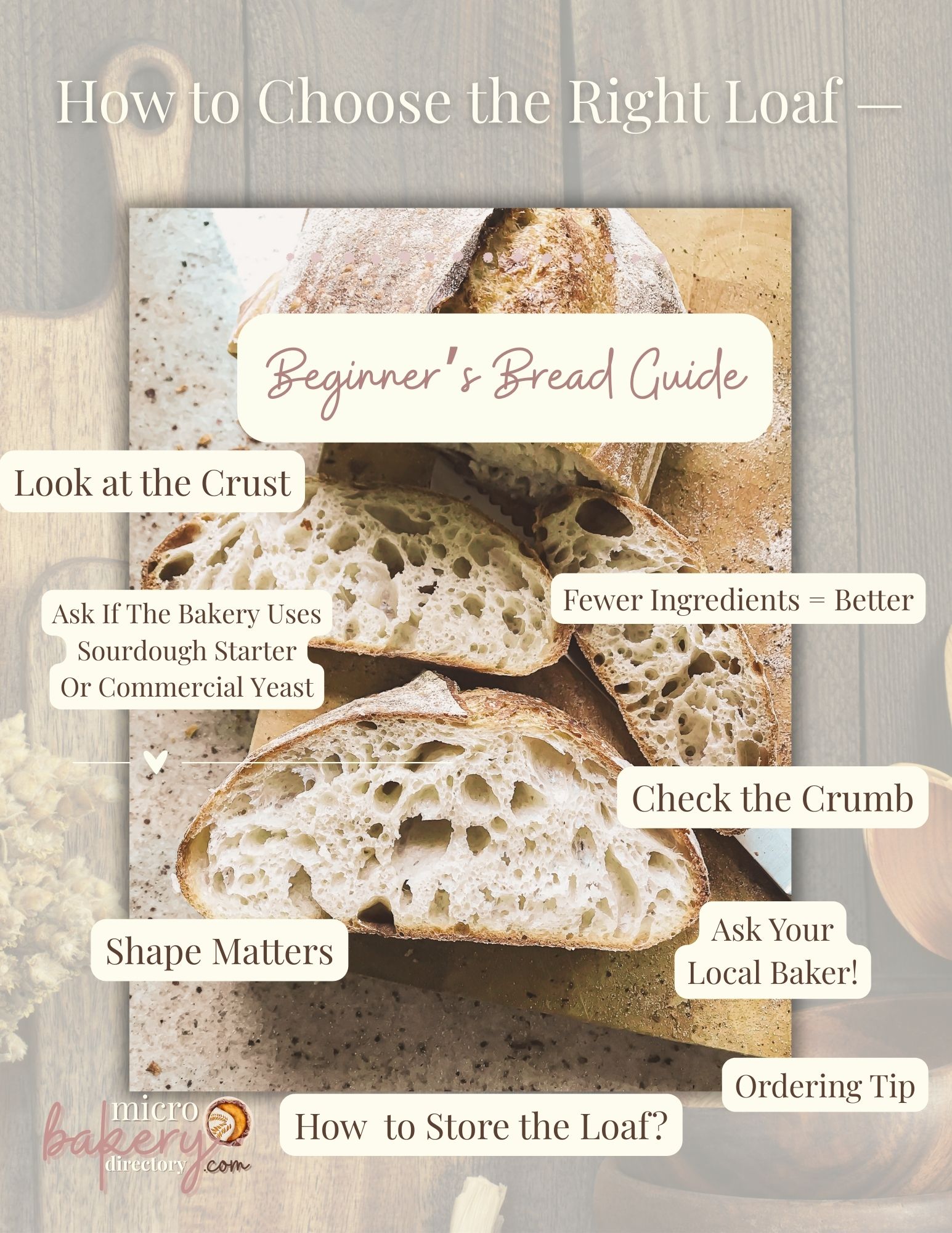
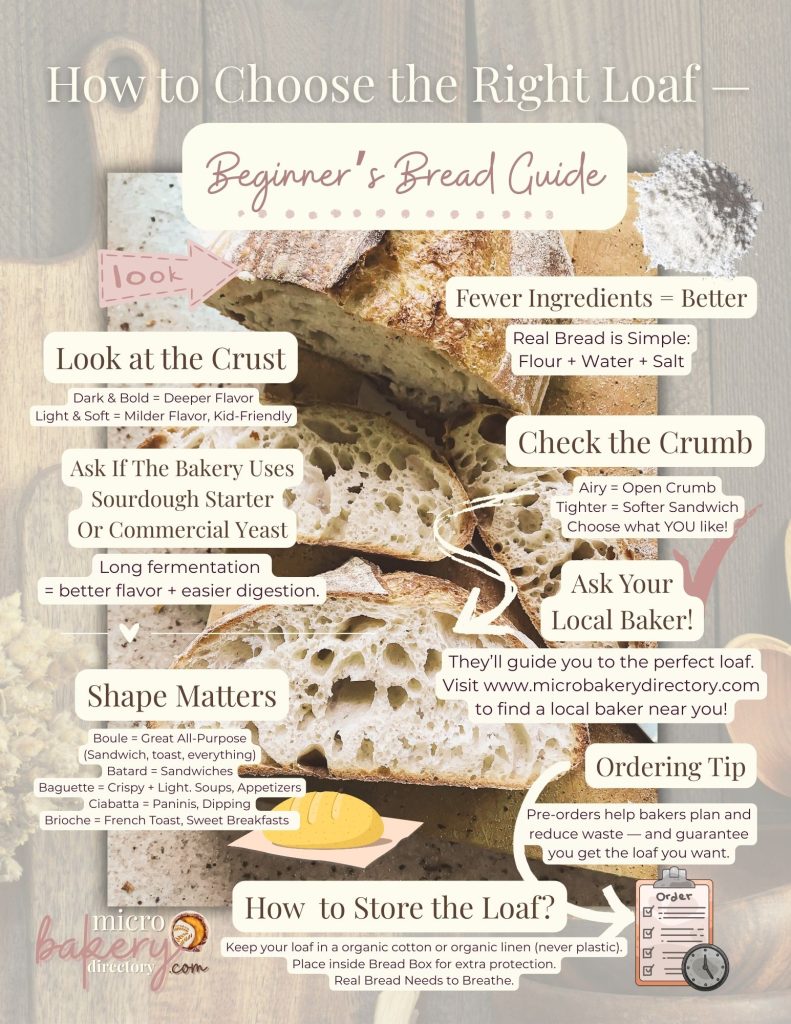
This guide walks you through how to understand crust, crumb, shape, ingredients, ordering tips, and storage.
Many of the breads discussed here are made by small, independent bakers — learn more about what defines a micro bakery and why it matters.
1. Start with the Ingredients
Real bread only needs flour, water, salt — that’s it. (well and the sourdough starter)
When the ingredient list is short, flavor and digestibility are better.
If you’re new to this whole world and want to understand what a micro bakery actually is, start here:
👉 What Is a Micro Bakery?
2. Look at the Crust
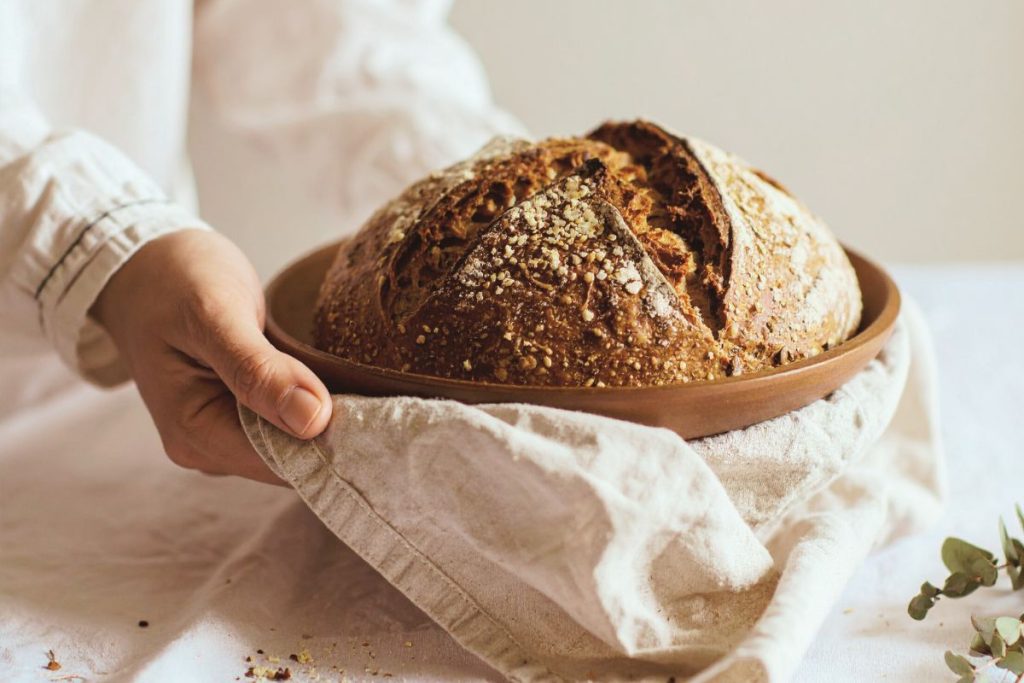
The crust tells you more about flavor than anything else.
Dark & Bold
Richer, deeper flavor.
Light & Soft
Gentle, mild, kid-friendly.
3. Check the Crumb (Inside of the Loaf)
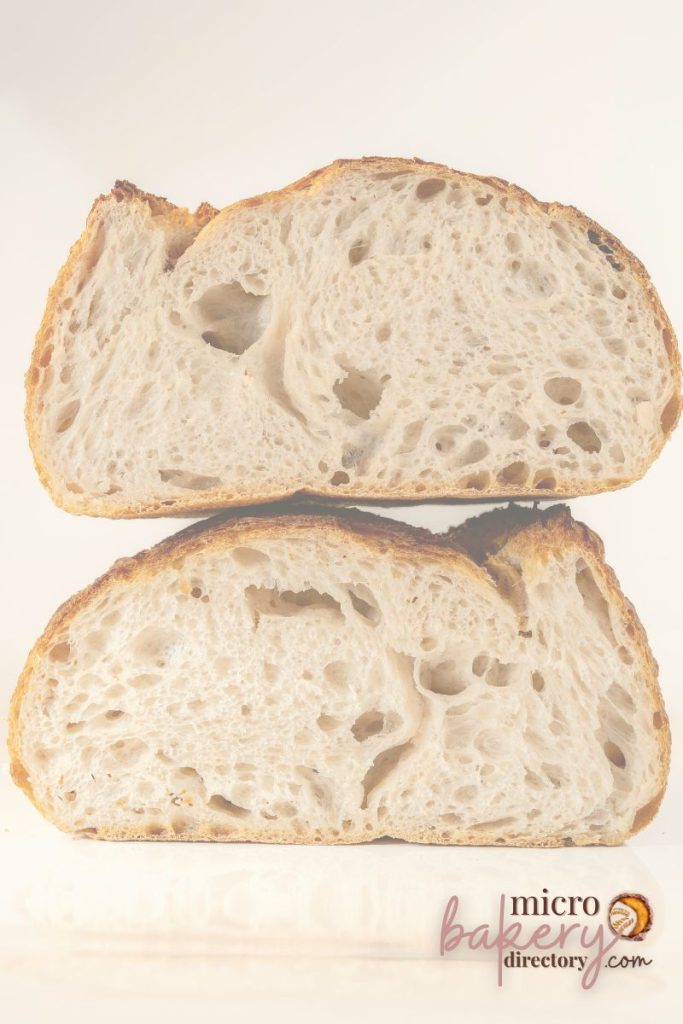
The “crumb” describes the pattern of holes in the bread.
Open Crumb = airy
Great for dipping, soups, boards.
Tighter Crumb = structured
Great for sandwiches, toast, French toast.
Want to see how everyday home bakers are making real bread in your community? Check out our Fox 13 feature:
👉A Rising Movement: Featuring Whisk N’ Whimsy & Homemade By The Deans
4. Shape Matters
Different shapes = different uses.
• Boule – all-purpose
• Batard – sandwiches
• Baguette – crispy + airy
• Pan loaf – soft daily bread
• Brioche – sweet and enriched
If you’re brand new to artisan bread and home bakers, this introduction explains how the whole directory works:
👉Welcome to the Micro Bakery Directory
5. Ask the Bakery: Sourdough Starter or Commercial Yeast?
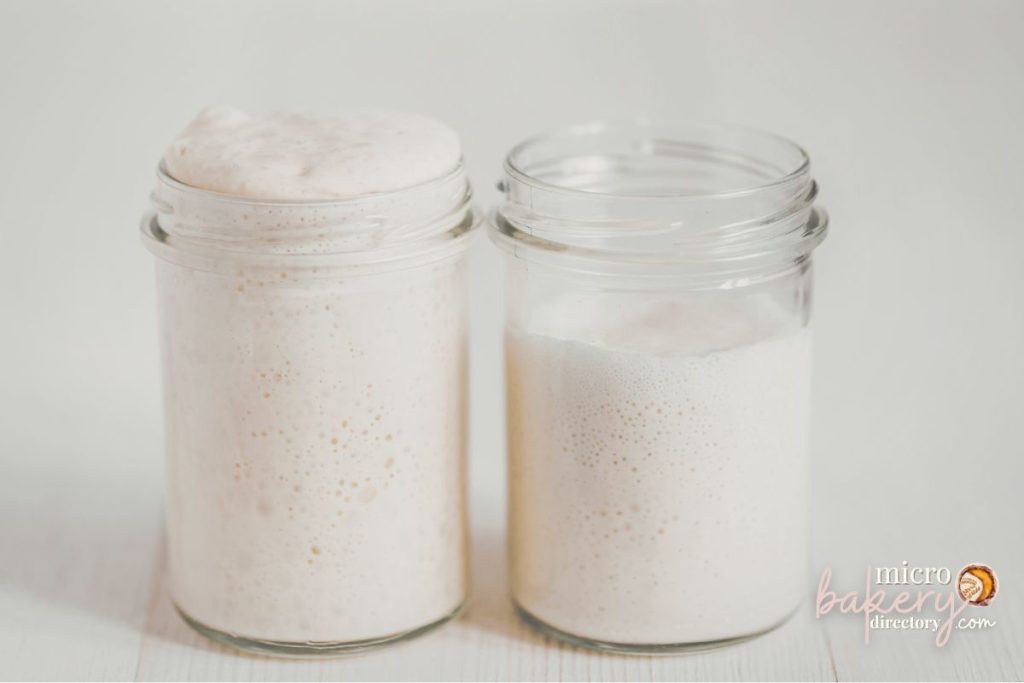
Sourdough = natural wild yeast, long fermentation, easier digestion
Commercial yeast = quicker rise, softer crumb
Sourdough Starter vs. Commercial Yeast: What’s the Difference?
Both sourdough starter and commercial yeast make bread rise, but they do so through different fermentation processes. These differences affect gluten structure, flavor, digestion, and timing, which is why some people notice they tolerate certain breads better than others.
What sourdough starter is
A sourdough starter is a naturally fermented culture made from flour and water. Over time, it develops a diverse community of wild yeasts and lactic acid bacteria. These microorganisms ferment dough slowly, producing carbon dioxide (for rise) and organic acids that shape flavor, texture, and shelf life.
What commercial yeast is
Commercial yeast (such as active dry or instant yeast) is a single cultivated strain of yeast designed to ferment quickly and predictably. It’s widely used because it shortens rising time and produces consistent results.
Fermentation time (why this matters)
- Sourdough fermentation typically takes many hours or even days.
- Commercial yeast fermentation often takes just a few hours.
This difference in time is critical because fermentation doesn’t just make bread rise — it also changes the structure of the dough.
Gluten: what actually happens during fermentation
Gluten is a network of proteins that gives bread structure and chew. Fermentation time directly affects how gluten behaves.
- In long-fermented sourdough, natural acids and enzymes have more time to partially break down gluten proteins and starches.
- This does not remove gluten, but it can change its structure, which may make the bread easier to digest for some people.
Studies have shown that long sourdough fermentation can reduce certain hard-to-digest compounds in wheat and lower the bread’s glycemic response compared to fast-fermented bread.
- In commercial yeast breads, fermentation happens too quickly for many of these changes to occur, so gluten remains more intact.
This is why some people who feel uncomfortable after eating bread find they tolerate long-fermented sourdough better — though this varies from person to person.
Important note: Sourdough bread is not gluten-free and is not safe for people with celiac disease unless specifically produced to meet gluten-free standards.
Flavor and texture differences
Because of its longer fermentation:
- Sourdough often has a more complex flavor, a chewier texture, and a thicker crust.
- Yeast-leavened bread usually has a milder flavor and a softer, more uniform crumb.
Practical differences
- Sourdough requires maintaining a starter and planning around longer rise times.
- Commercial yeast is faster, simpler, and more predictable.
The difference between sourdough and commercial yeast isn’t about better or worse — it’s about fermentation time and how that time affects gluten, flavor, and digestion.
Understanding this helps you choose bread that fits your body, lifestyle, and preferences — which is exactly why knowing how your bread is made matters.
6. How to Store Your Bread
Best storage:
• organic cotton or linen bag
• paper bag
• freeze in slices
Avoid plastic + refrigeration.
If you’re a baker and want customers to find your bread, you can list or update your bakery here:
👉 Add or Update Your Bakery Listing
7. Ordering Tips & Pre-Orders
Pre-orders aren’t just a convenience — they’re one of the most important tools that allow small and micro bakers to exist at all.
Unlike large commercial bakeries, small bakers don’t produce thousands of loaves a day or rely on automated systems. Every loaf is mixed, fermented, shaped, baked, and packed by hand — often by one person or a small family team.
Here’s how pre-orders make that possible.
1. Pre-Orders Reduce Food Waste
When a baker knows exactly how many loaves are needed, they can:
- Mix the right amount of dough
- Bake only what will be eaten
- Avoid throwing away unsold bread
Bread is meant to be fresh, not overproduced. Pre-orders allow bakers to bake intentionally, not guess.
2. Pre-Orders Make Ingredient Costs Sustainable
Flour, grains, butter, eggs, and other quality ingredients are purchased upfront.
Pre-orders help bakers:
- Buy ingredients with confidence
- Use higher-quality inputs
- Avoid cutting corners to manage risk
This is especially important for sourdough and long-fermented bread, which takes days — not hours — to produce.
3. Pre-Orders Allow Better Planning (and Better Bread)
Bread quality improves when bakers can plan fermentation, mixing, and bake schedules ahead of time.
With pre-orders, bakers can:
- Ferment dough longer and more consistently
- Schedule baking at optimal times
- Focus on quality instead of speed
Rushed bread is rarely good bread.
4. Pre-Orders Support Real People, Not Systems
Many micro bakers are:
- Home-based businesses
- Parents baking around family schedules
- Individuals building small, local food systems
Pre-ordering helps them balance:
- Time
- Energy
- Finances
Instead of baking blindly and hoping for sales, they can bake with purpose and care.
5. Pre-Orders Keep Small Bakeries Accessible
Because pre-orders reduce risk, they help keep prices fair and availability consistent. Without them, many small bakers would be forced to:
- Bake less often
- Raise prices significantly
- Stop baking altogether
Pre-orders are one of the simplest ways customers can help preserve local bread access in their community.
Pre-ordering isn’t about obligation.
It’s about participation.
When you place a pre-order, you’re not just buying bread — you’re helping sustain a small food system built on craftsmanship, time, and care.
And that support is baked into every loaf.
8. Ask Your Local Baker
Bakers LOVE helping you choose the right loaf. Ask them about flavor, texture, and what they recommend for your family.
But if you don’t have a local baker yet?
You can search the entire country and find real home bakers right in your area using the Micro Bakery Directory.
👉 Find a baker near you: http://www.microbakerydirectory.com
If you’re a baker reading this and want to join the movement, add your bakery here:
👉 Add or Update Your Bakery Listing
You can search by sourdough, gluten-free, organic, pastries, heritage grain, and more.
Start by learning what a micro bakery actually is:
👉 What Is a Micro Bakery?
Want to join the directory as a baker? Add or update your listing:
👉 Add Your Bakery to the Micro Bakery Directory or Update It Anytime
Curious about the bakers behind the movement? Watch our Fox 13 story:
👉 A Rising Movement: Featuring Whisk N’ Whimsy & Homemade By The Deans
How to find bread:
You can use filters like sourdough, catering, porch pickup, and more to find the right baker by browsing our Understanding Our Tags guide.
Final Thoughts
Choosing the right loaf is fun, personal, delicious — and your local bakers are ready to help you explore every crust, crumb, and shape.
~heather