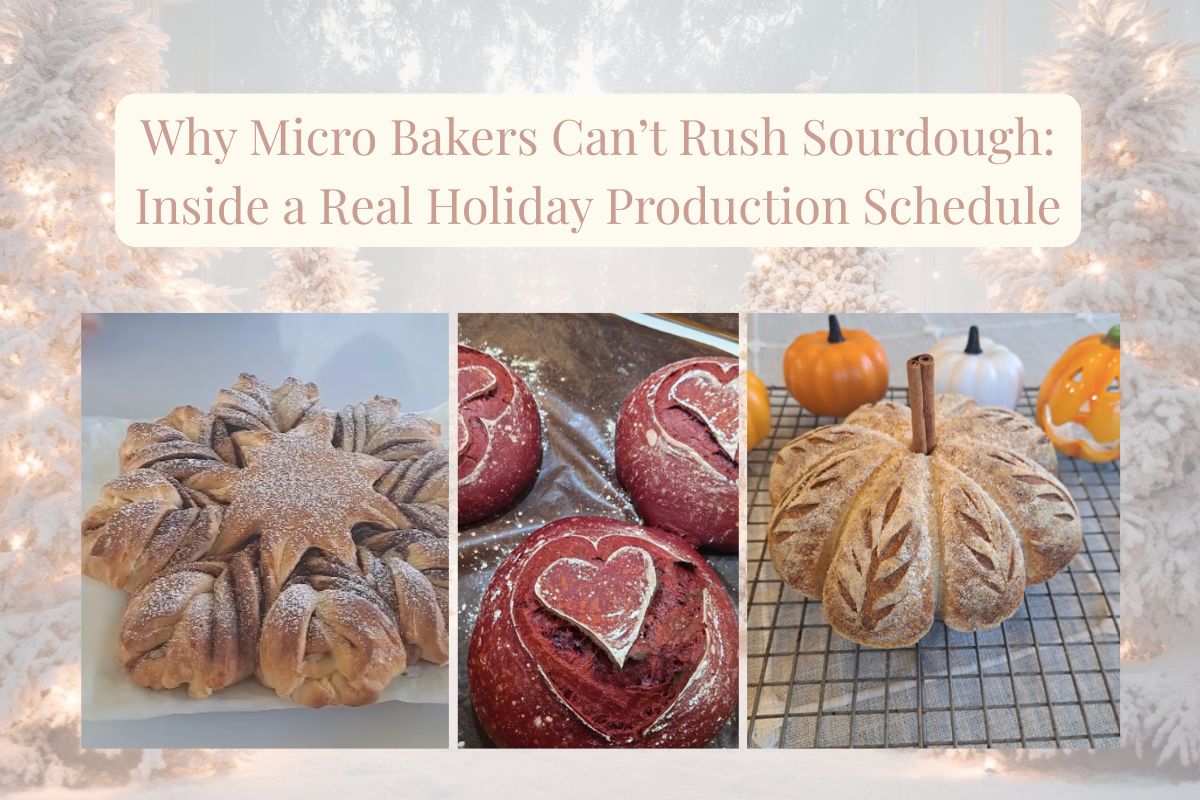
Understanding the Pace of Real Bread: A Micro Baker’s Perspective
Running a micro bakery isn’t just about mixing dough and waiting for it to rise.
It’s about understanding fermentation, timing, and planning so deeply that you can shape your entire production schedule around it — sometimes days before a single loaf ever goes into the oven.
During the holidays, this becomes especially clear.
From the outside, customers see shelves filled with beautiful loaves, golden crusts, blistered sourdough, neatly packed orders, and smiling bakers at pickup. What they don’t see is the careful orchestration behind the scenes: starter feedings timed to the hour, doughs moving between warm kitchens and cold refrigerators, and bakers quietly managing dozens of variables at once.
This is the part of baking that rarely gets talked about — but it’s the part that makes real bread possible.
That’s why I wanted to share the perspective of a baker who truly understands this rhythm.
Jenny, owner of Bread and More has mastered the ability to plan, predict, and control their production timeline, even during high-pressure holiday weeks. Her experience offers something valuable to both bakers and customers: confidence for those learning the craft, and appreciation for those enjoying the final loaf.
Below, she shares exactly how she approaches time management, fermentation control, and holiday scheduling inside a real micro bakery.
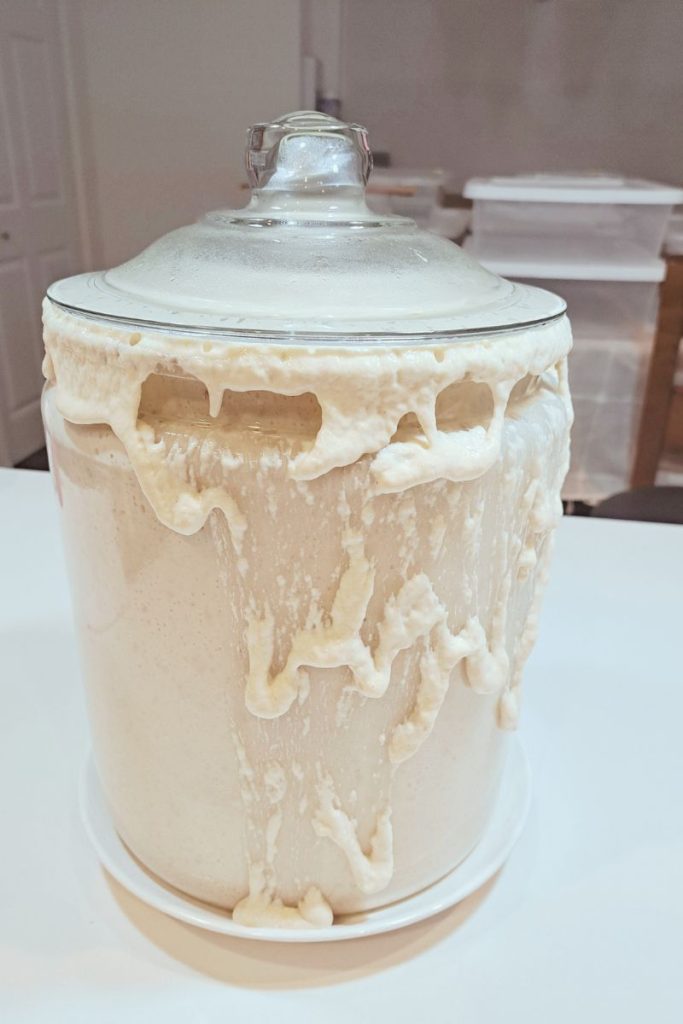
The starter is the heartbeat of the bakery — when it’s strong and active, everything else falls into rhythm.
Inside a Real Micro Bakery Holiday Schedule
As a microbakery owner, the holidays are where everything I know about dough, fermentation, and time management gets put to the test. People see the finished loaf, golden, blistered, smelling like a dream, but what they don’t see is the orchestration behind it. Every step has to land exactly where it should, and if the dough is even a little off schedule, everything else cascades. Over the years, I’ve learned how to build a rhythm that keeps my production smooth, my dough happy, and my customers thrilled.
1. My Holiday Workflow
For big weeks (Thanksgiving, Christmas, or any weekend with 40+ loaves), I treat my schedule like a puzzle.
I start by mapping out the entire week at least the week before:
• Monday: Starter builds + preferments
• Tuesday: Mix and bulk for long-ferment doughs
• Wednesday: Shape / cold-proof
• Thursday: Bake day #1 Cookies & Scones
• Friday: Bake day #2 + packaging + pickups
Every product has a life cycle, and I work backward. If a customer pickup is at 10am Friday, that loaf started its journey 36–48 hours earlier. I also batch doughs with similar timelines, like grouping all high-hydration doughs or all enriched doughs, so I’m not switching mental modes every hour.
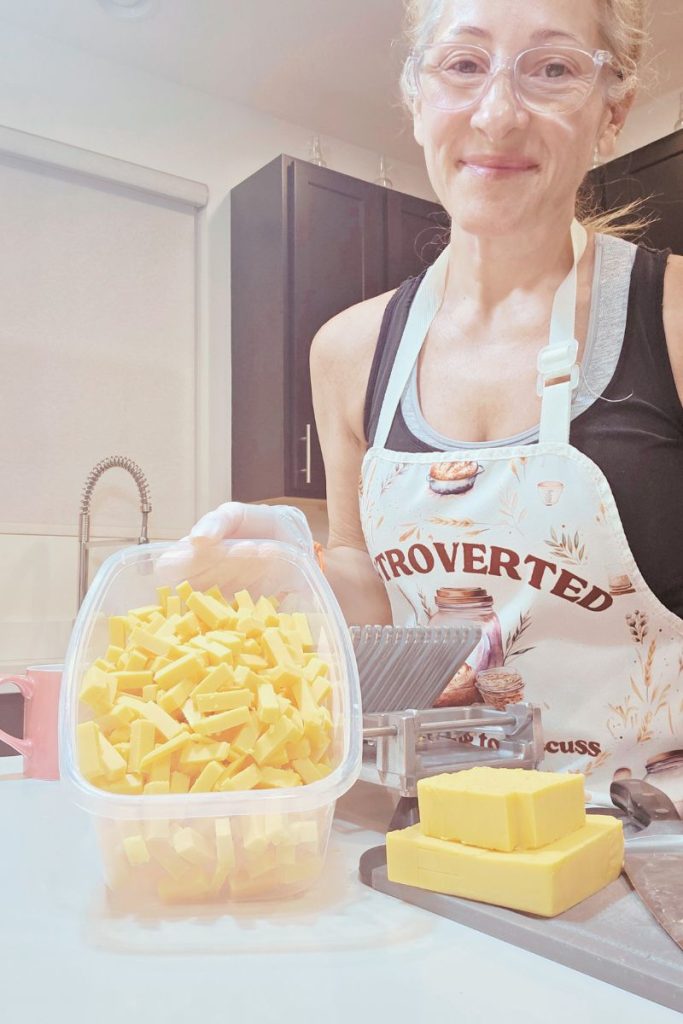
Prep day sets the tone for the entire week — batching doughs, organizing ingredients, and getting ahead of the chaos.
2. Understanding the Starter
The starter is basically the heartbeat of my week.
During holiday production, I manage it like an athlete in training:
• I feed on a strict schedule, usually 1:5:5 or 1:3:3 depending on the room temp.
• If I need it ready sooner, I keep it slightly warmer.
• If I need to slow it down, I give it a heavier feed or place it in a cooler spot.
• For large batches, I build it over 2–3 feedings so it’s predictable and strong.
Starters are living things, and once you understand their “mood,” they become incredibly reliable tools, even during heavy production weeks.
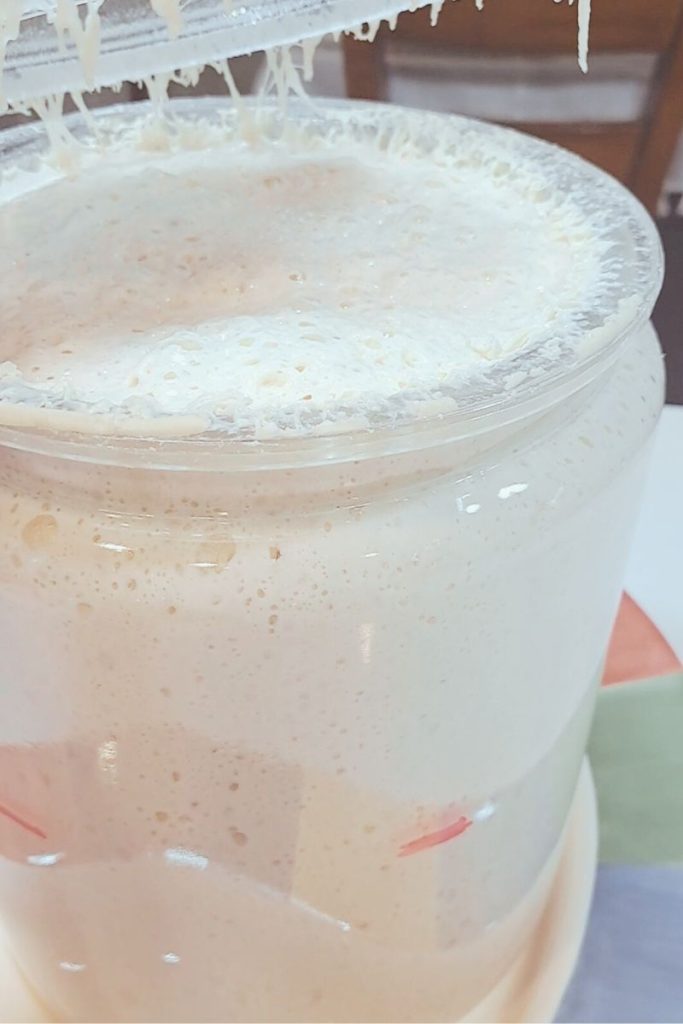
Peak fermentation — timing matters. A well-fed starter means predictable dough and smoother holiday production days.
3. Controlling the Dough
Holiday baking is basically a masterclass in fermentation control.
Not everything happens at room temperature.
Here’s how I stay in control:
• Cold retardation: My biggest tool. The fridge is my pause button. I can delay dough by 8–24 hours without harming flavor.
• Timing the mix: If the bakery is warm, I mix with cooler water to slow fermentation.
• Hydration: Higher hydration ferments faster, so I adjust accordingly.
• Shaping delays: Sometimes I purposely shape later to avoid over-proofing overnight.
The real secret is flexibility. Dough is telling you what it wants to do, your job is to listen and adjust without panicking.
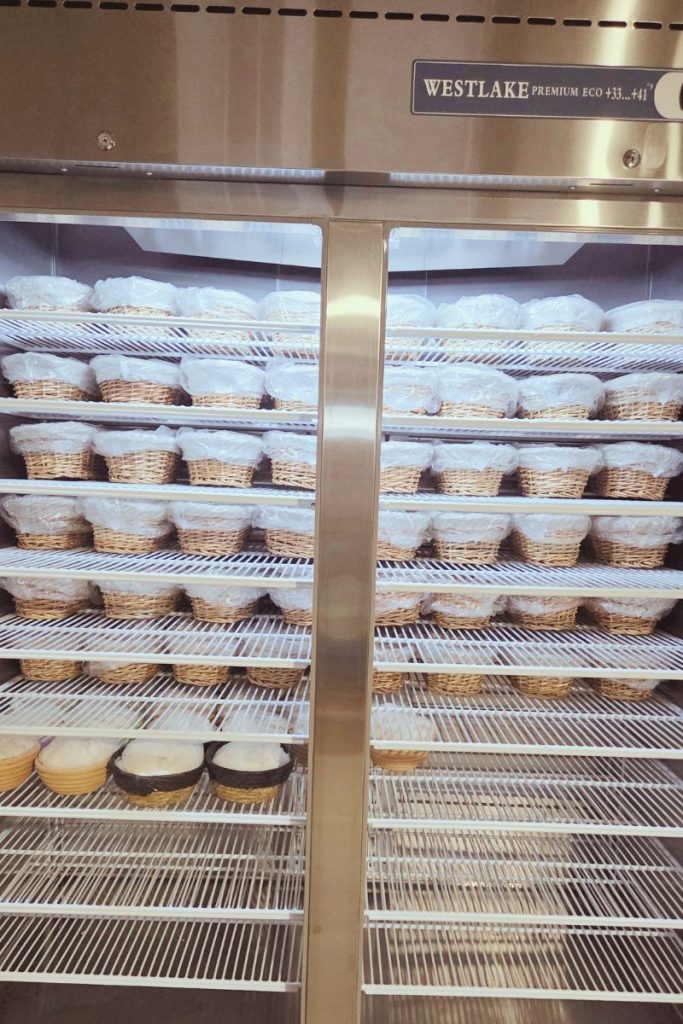
Cold proofing gives bakers control over fermentation timing — especially during holiday rush weeks.
4. Holiday Survival Tips
Here are my top tricks that keep me from losing my mind:
- Prep earlier than you think. Everything takes longer during the holidays, everything from starter builds, dough rest times, packaging, labeling.
- Batch like products together. Same dough types = smoother production flow.
- Use your fridge strategically. It’s how you maintain quality.
- Have backups: extra parchment, extra flour, fully charged timers, two Sharpies. You don’t want to be hunting for anything.
- Respect your own limits. You’re a microbakery, not a factory. Build a schedule you can physically follow.
5. A Message to Customers
The biggest thing I want customers to understand is that bread isn’t something we “whip up” the day before. Every loaf has a 24–48 hour journey before it even hits the oven. That’s why pre-orders matter, they let us plan fermentation, dough batching, oven space, and pickup times with intention.
When someone asks if I can “just make a few more,” the reality is that I can’t manipulate fermentation that quickly without compromising quality. Good bread needs time.
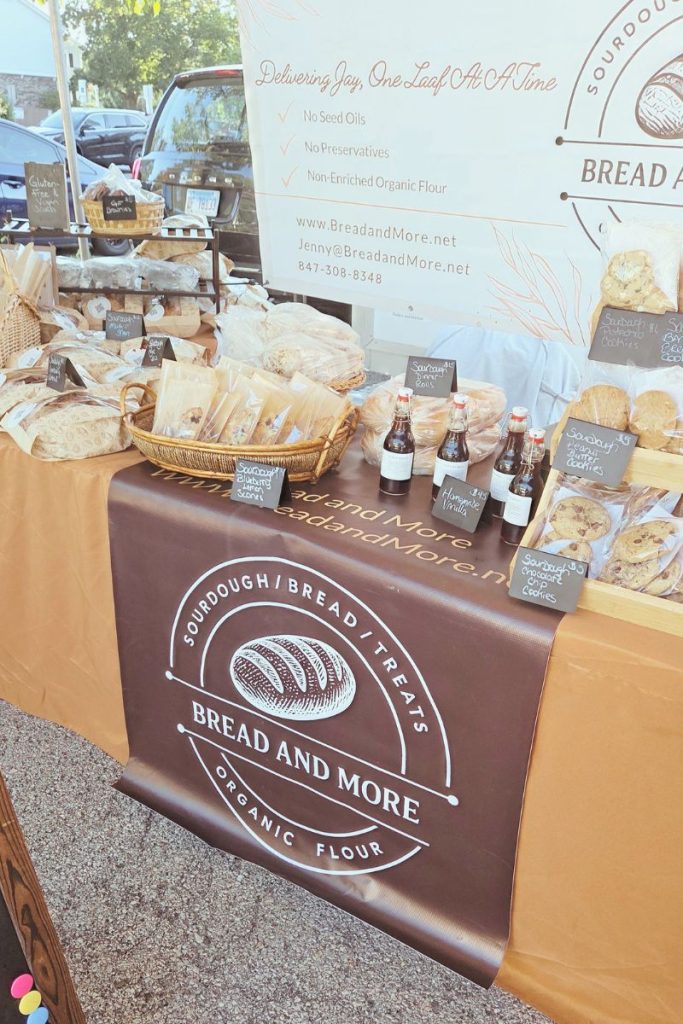
After days of fermentation and late-night bakes, everything leads to this moment — customers meeting bread at the market.
~Written by Jenny Bread and More Bakery Owner – All Photos provided by Bread and More
Why This Matters — For Bakers and Customers
Holiday baking is intense, but it’s also deeply rewarding.
When the timing works, the dough behaves, and customers show up excited to bring real bread to their holiday tables, it reminds bakers exactly why they do this work in the first place.
For bakers, stories like this offer reassurance: you’re not slow, you’re not behind — you’re working with living dough.
For customers, it offers understanding: great bread isn’t rushed, and it can’t be last-minute without sacrificing quality.
A Final Note
Huge thank you to Bread and More for collaborating with us and sharing such an honest look behind the holiday sourdough schedule. This kind of insight is rare, and it gives both bakers and customers a whole new appreciation for the craft.
Behind every loaf is planning, patience, and a baker who understands that time — not speed — is the most important ingredient.
Want to find a micro bakery near you? Explore the directory here.
~h
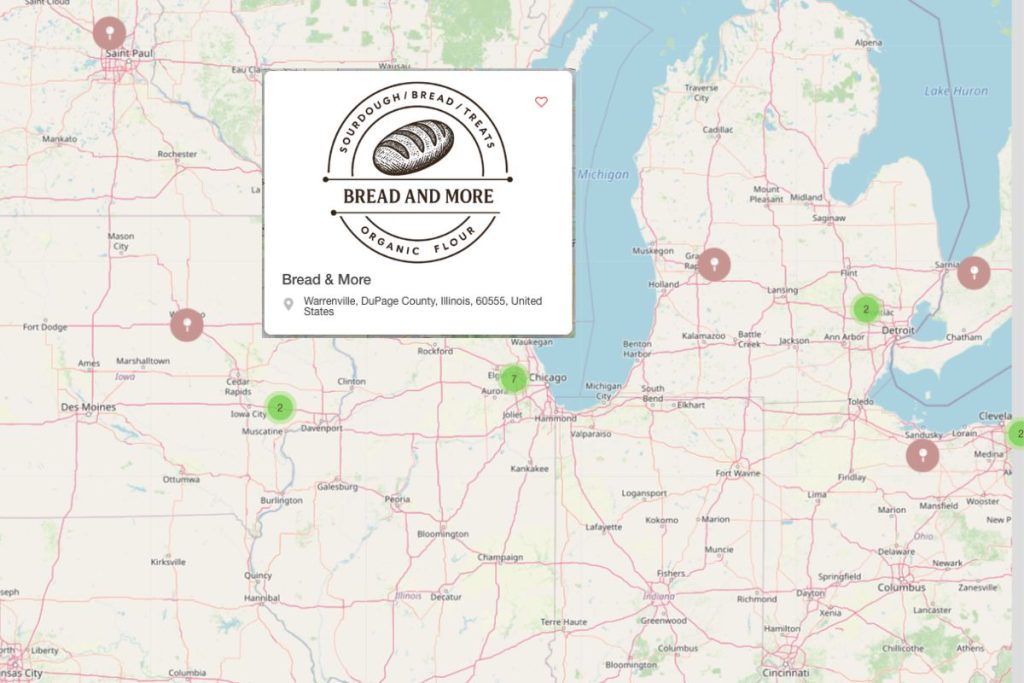
Discover more about Jenny’s bakes and find Bread and More on the Micro Bakery Directory map.
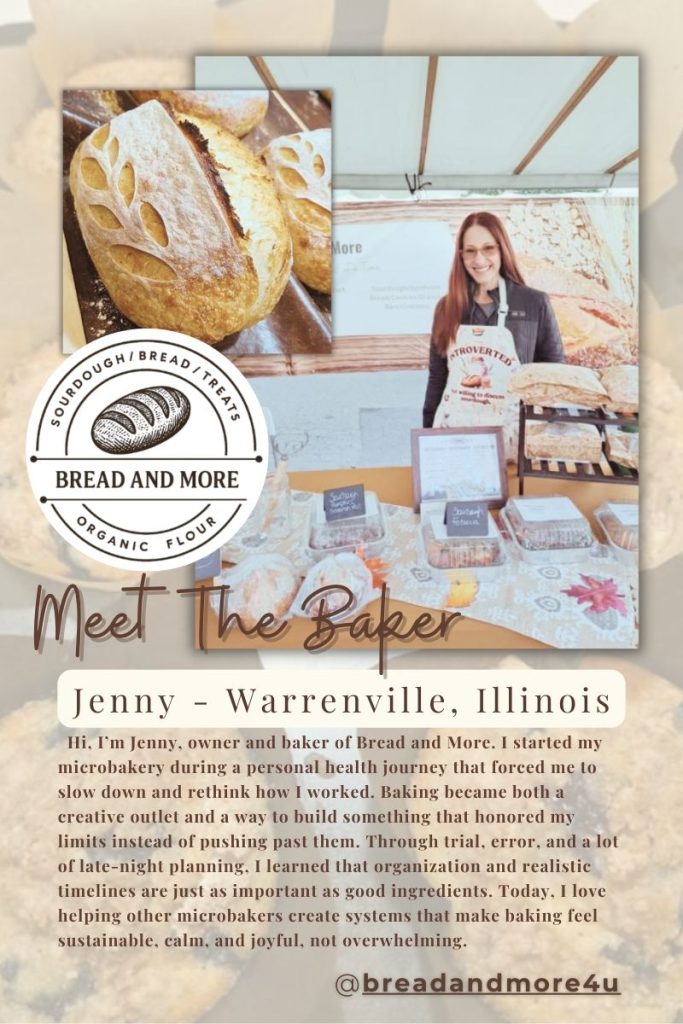
Bread and More is located in Warrenville, Illinois.
Bakers — if there’s something you’re passionate about (equipment! pricing! hydration! markets!) and you’d love to collaborate on a blog feature, email me at microbakerydirectory@gmail.com