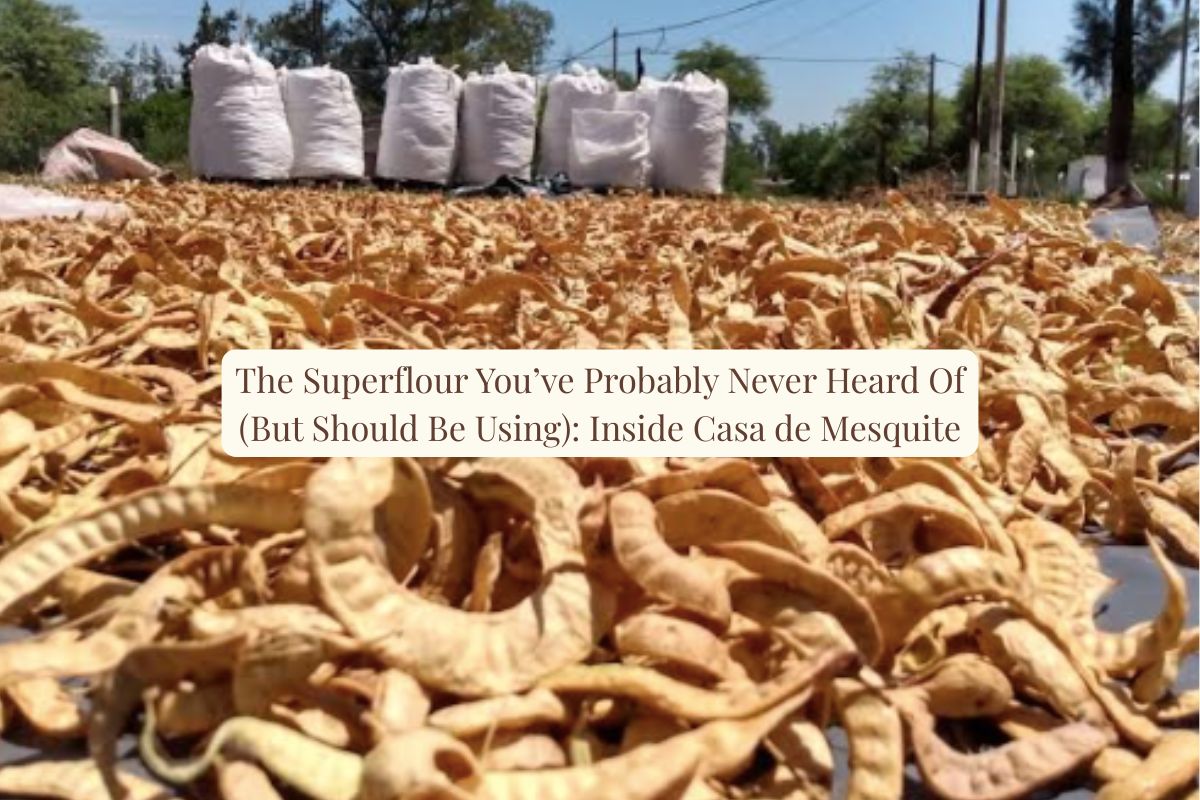
If you’ve never baked with mesquite flour, you’re not alone — most bakers haven’t.
But this ingredient is quietly one of the most impressive flours available: naturally sweet, deeply aromatic, gluten-free, nutrient-dense, and rooted in centuries of traditional use.
Behind Casa de Mesquite is Peter Felker, a scientist and agricultural researcher who has spent nearly 50 years studying mesquite trees (Prosopis) and their potential as a sustainable, nourishing food source.
At 78 years old, Peter used his own retirement savings to build a full-scale mesquite flour processing facility — not for trends or hype, but because he believes mesquite flour deserves a real place in modern baking.
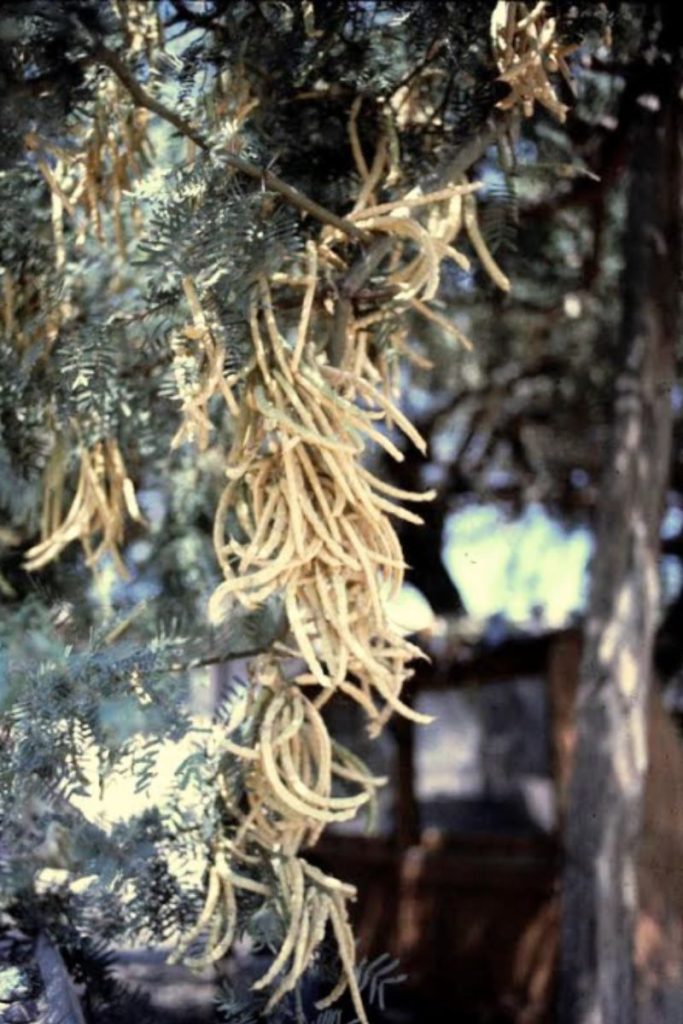
Mesquite pods growing on Prosopis trees at the home of Mrs Ruby Modesto of the Cahuilla Nation whose pods where the main source of food for her people .
Meet Peter Felker — The Scientist Behind Casa de Mesquite
Peter’s connection to agriculture began early. He grew up around small family farms in the American South, witnessing firsthand how fragile farming livelihoods could be. That experience shaped his life’s work.
Over decades, Peter focused his research on:
- sustainable, low-input agriculture
- drought-tolerant food systems
- nitrogen-fixing trees
- nutrient-dense plant foods
- and the ecological role of mesquite in arid regions
His research took him across the U.S. and Argentina, where he studied mesquite species in some of the harshest climates on Earth. Again and again, mesquite stood out — not just as a resilient tree, but as a food source with remarkable nutritional and environmental value.
When inconsistent suppliers made it impossible to access reliable mesquite flour, Peter made a bold decision: he would build the processing plant himself.
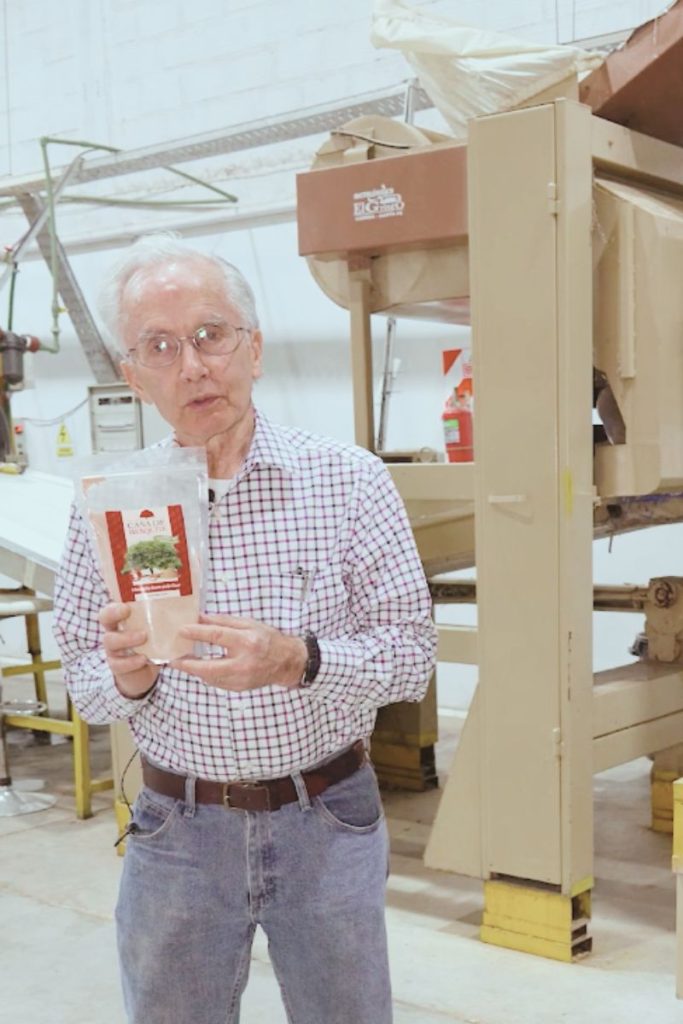
Peter Felker, founder of Casa de Mesquite, inside the mesquite flour processing facility
A Processing Plant Built With Purpose
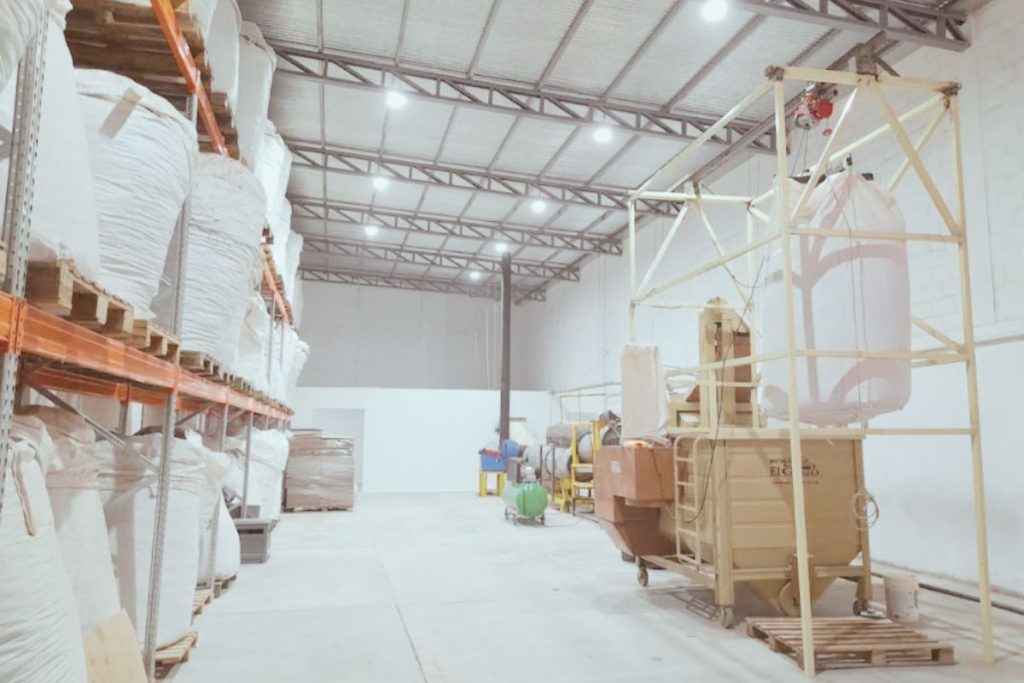
Casa de Mesquite operates using a 12-machine continuous processing system, designed specifically to handle mesquite pods safely and efficiently.
The process:
- removes soil, leaves, stones, and debris
- washes pods with high-pressure water
- dries them in a rotating stainless steel oven
- separates insect-infected seeds
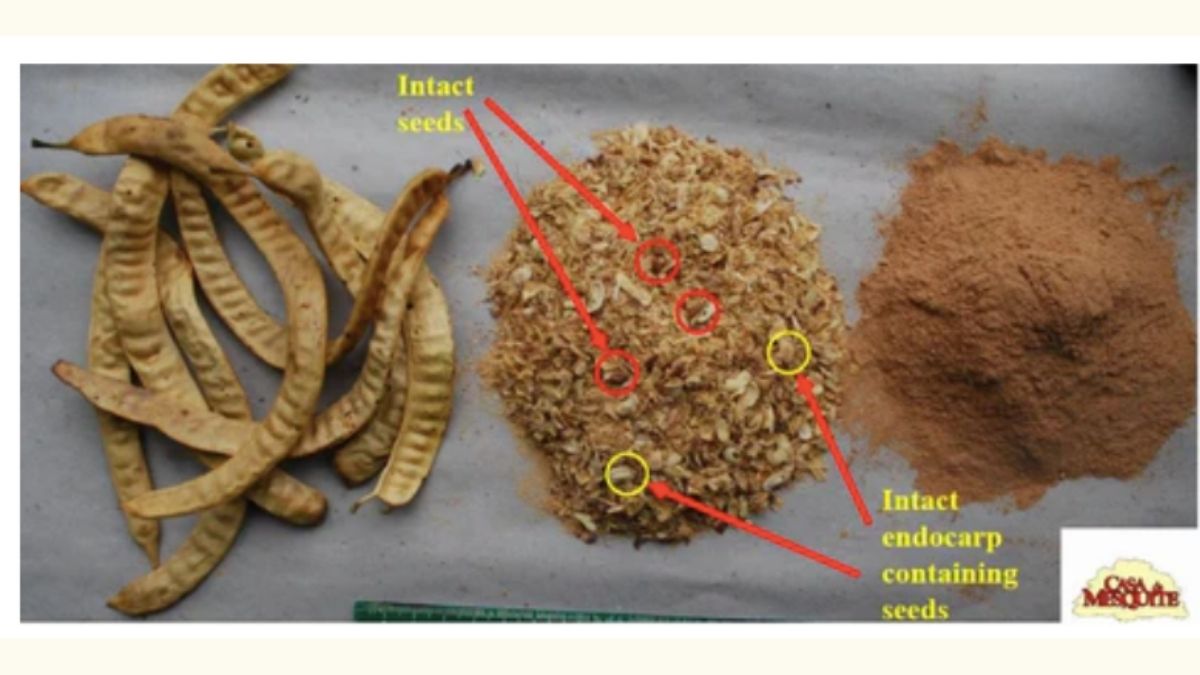
- mills the sweet aromatic pulp into a fine 200-micron flour
From 100 pounds of pods, about 45 pounds of flour are produced — the portion that contains nearly all the pod’s natural sweetness, aroma, and antioxidants.
Pods are sourced from a regional cooperative that has grown from 80 to 120 local families, providing meaningful income in one of Argentina’s poorest regions.
Mesquite Flour: An Ancient Food Rediscovered
Long before modern milling, mesquite pods were used as food by Indigenous communities throughout the Americas. Pods were traditionally dried, ground, and used to make breads, drinks, and porridges.
Casa de Mesquite isn’t reinventing mesquite — it’s bringing an ancient food forward with modern food safety, consistency, and scale. If you’re curious why mesquite has been used for centuries, Casa de Mesquite breaks it down beautifully here.
Ingredients like mesquite flour are most often found in micro bakeries, where small-batch production allows for experimentation and sourcing transparency.
Why Bakers Are Falling in Love With Mesquite Flour
Mesquite flour has qualities bakers will notice immediately — in both flavor and performance.
Flavor & Aroma
Mesquite flour contains over 120 natural aromatic compounds, giving it a warm profile often described as:
- cinnamon-like
- chocolaty
- caramel-adjacent
It pairs especially well with:
- chocolate
- vanilla
- nuts
- warm spices
- dairy-based desserts
Naturally Sweet
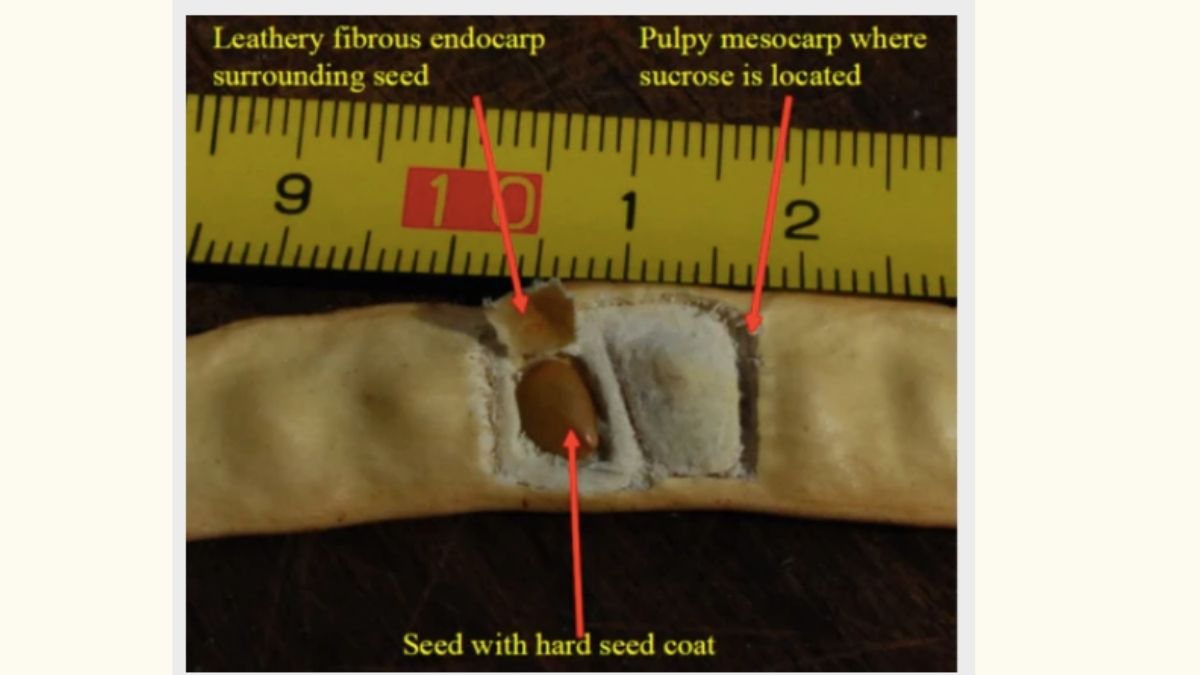
Mesquite flour is about 50% natural sucrose, allowing bakers to:
- reduce added sugar
- create balanced sweetness
- deepen flavor without syrups
Gluten-Free & Nutrient-Dense
Mesquite flour is naturally gluten-free and offers:
- ~25% dietary fiber
- ~12% protein
- exceptionally high polyphenol content
Polyphenols help reduce rancidity in doughs that contain fats, nuts, or seeds — a real advantage for market bakers and shippers.
How Bakers Use Mesquite Flour
Casa de Mesquite recommends starting with:
12–15% mesquite flour based on total dry weight
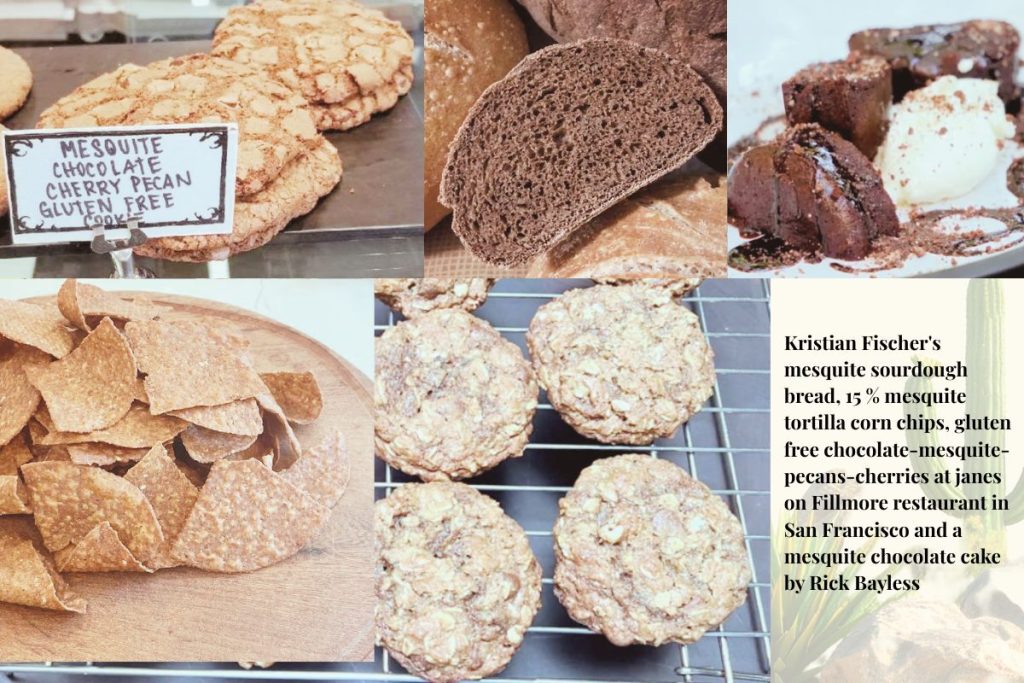
It works beautifully in:
- artisan breads
- muffins
- cakes
- pastries
- oatmeal cookies
- pancakes and waffles
The fine grind blends smoothly with wheat, spelt, rye, and gluten-free mixes.
- Cooking with Mesquite Flour
👉 https://casademesquite.com/cooking-with-mesquite-flour/
Food Safety & Commercial Readiness
Casa de Mesquite operates under:
- a HACCP plan
- BRCGS certification
This makes their flour suitable not only for home bakers, but also for micro bakeries, restaurants, and food businesses seeking dependable, compliant ingredients.
Peter’s Mission Moving Forward
Peter’s goal is simple but ambitious:
- produce and sell 80,000 pounds of mesquite flour per year
- provide year-round employment
- support sustainable forest ecosystems
- and make mesquite flour a viable ingredient for bakers everywhere
His proudest moment came when the continuous processing system finally succeeded — proof that decades of research could become something real and lasting.
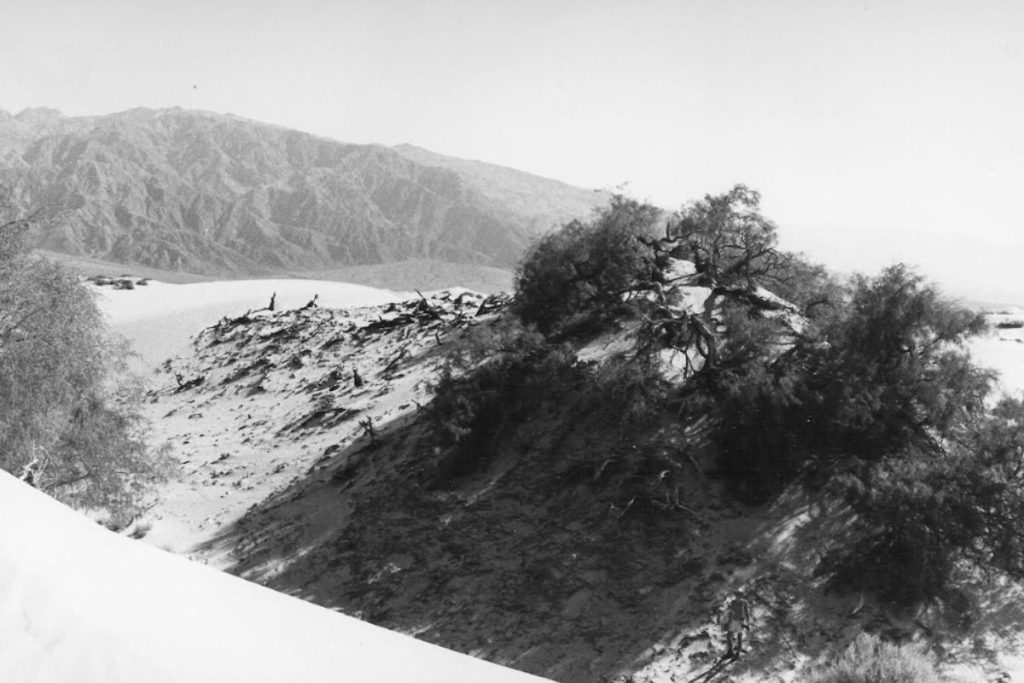
Mesquite rising through the sand dunes of Death Valley, California — a true survivor in one of the world’s harshest environments.
A Final Note
Casa de Mesquite represents everything we value in the baking world: thoughtful ingredients, deep research, sustainable practices, and people who dedicate their lives to doing things the right way.
Mesquite flour gives bakers the chance to create distinctive flavors, offer real nutritional value, and support a food system that works with the land — not against it.
If you experiment with mesquite flour in your bakery, I’d love to see what you create.
We rise higher together. 💛
— heather